Long before edge AI had a name, NeuroMem-powered systems were learning and recognizing patterns beside their sensors—in factories, on vessels and inside industrial equipment.
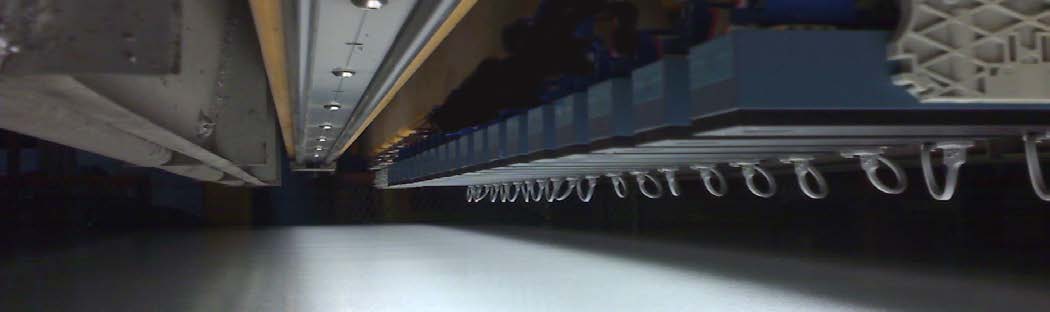
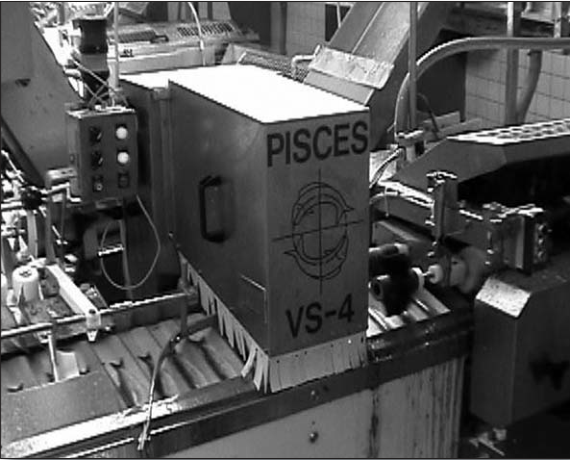
Real installation DDS inspection line. Photograph from General Vision’s DDS sales sheet.
Featured application
NeuroMem® in the Real World
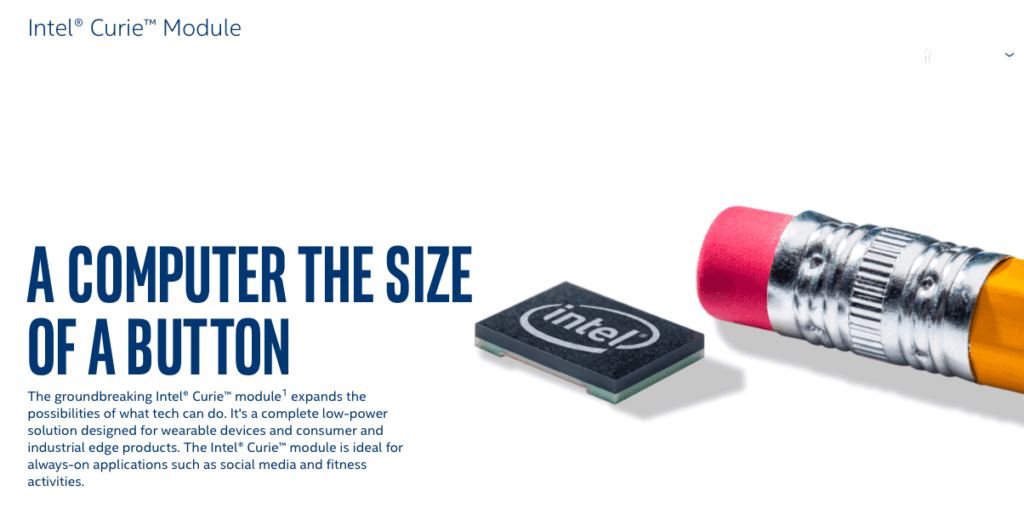
Coach T Introduction · Maker Collider · Watch on YouTubeIntel Curie — the technology inside Arduino 101. Its 128-neuron pattern-recognition engine incorporates General Vision’s licensed NeuroMem technology. Intel holds a perpetual license to NeuroMem. Historical promotional image: Intel.
Sports & motion · Prototype
Coach T: a tennis coach on your racket.
A playful look at tennis coaching with embedded intelligence. The Coach T prototype was built using an Arduino 101 mounted directly on a tennis racket.
Inside Arduino 101, Intel Curie incorporates a 128-neuron pattern-recognition engine based on General Vision’s licensed NeuroMem technology.
Featured work from Maker Collider and its partners.
Build with Intel Curie
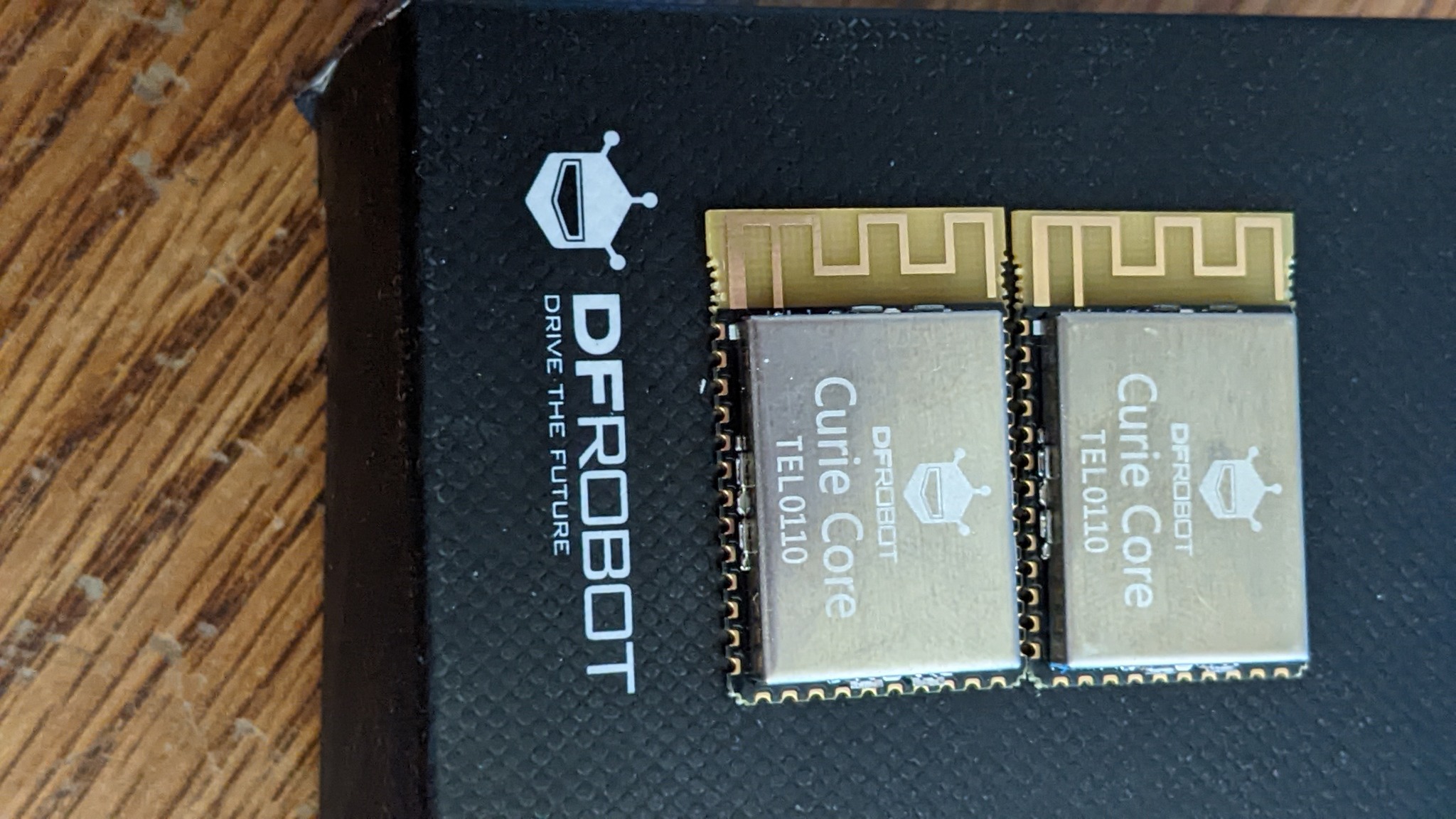
CurieCore modules are available to purchase from DFRobot. Each module includes Intel Curie’s 128-neuron engine. See DFRobot for current price and availability.
General Vision has designed NeuroTile around NM500 technology. An upgrade using the NM5500 and its 5,500 neurons is planned.
NM5500 upgrade · Planned
ZISC / NeuroMem · Proven in the field
Beyond the hype. Decades of working silicon.
From ZISC in 1993 to NeuroMem today, the story is built on chips, deployed systems and learning in the field. Glass inspection and fish sorting show what this architecture delivers in daily operation.
The DDS installation distributed intelligence across the production line instead of moving every full-resolution image to a central computer.
2010Fielded in Kingsport, Tennessee
28Autonomous vision nodes
LocalLearning and recognition
128 × 128Compact diagnostic image
Actual DDS installation, shown uncropped in the supplied sales sheet.
Kingsport, Tennessee · 2010
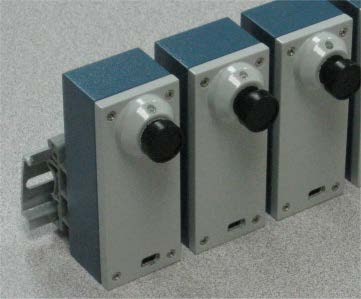
Each MTVS was a complete, trainable vision system.
A global-shutter CMOS sensor captured the scene. An Actel FPGA extracted information. A CM1K learned and recognized patterns locally. Each central node held its own copy of the same knowledge; the two extremity nodes used edge-specific knowledge.
The DDS Monitor software teaches examples of acceptable material so the sensors can detect departures from learned textures. Knowledge can be saved, transferred and expanded with additional examples.
01
Recognition at the sensor
Every node analyzed its own zone of the fast-moving ribbon with its own trained knowledge.
02
Information, not a video stream
The ribbon cable carried defect position, category and a small diagnostic image.
MTVS modules from the General Vision DDS sales sheet.
DDS product capabilities
Learn good material. Detect the unexpected.
2 × 2 pixelsMinimum anomaly size
<75 msFull-frame inspection
The sales sheet specifies inspection latency independent of knowledge size, with anomaly reporting taking 4 microseconds per sensor over the serial line.
Product figures from the supplied DDS sheet, identified by General Vision as the 2022 update. Its separate 50-sensor, 1.8 m example is not the 28-node Kingsport installation.
Evidence before explanation
One architecture. Different realities.
Distributed vision, operator-led learning and industrial anomaly detection each reveal a different strength of NeuroMem.
Flat glass · USA
Distributed defect detection
Twenty-eight autonomous nodes classified defects across a production ribbon and sent compact results downstream.
Fishing · Norway & Iceland
Inspection taught by the crew
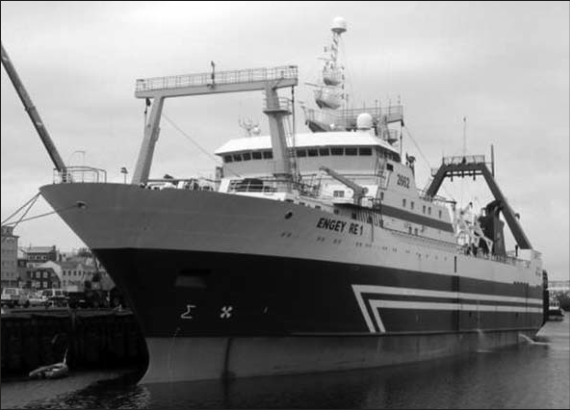
CogniSight systems inspect fish before filleting. Crews teach and reinforce recognition aboard the vessel using Image Knowledge Builder.
Steel · Magnitogorsk
Machinery signal monitoring
Local neural networks recognized known waveforms and surfaced unfamiliar patterns for human review.
The 2008 AI Magazine article documented more than 30 systems on seven vessels in Norway and Iceland. Each used four ZISC neural chips—312 neurons in total—with FPGA feature extraction.
98%Reported recognition accuracy
OnboardLearning by the crew
The system checks species, damage, orientation and multiple fish in a conveyor pocket before filleting.
Historical results: Anne Menendez and Guy Paillet, “Fish Inspection System Using a Parallel Neural Network Chip and the Image Knowledge Builder Application,” AI Magazine, Spring 2008. Current status: General Vision reports that the application remains in operation since 2008; this is a separate update from the published study.
Image Knowledge Builder · IKB
Show it. Teach it. See what it learned.
Teach from examples, verify recognition and process image batches in one application—with no separate dataset-annotation stage required.
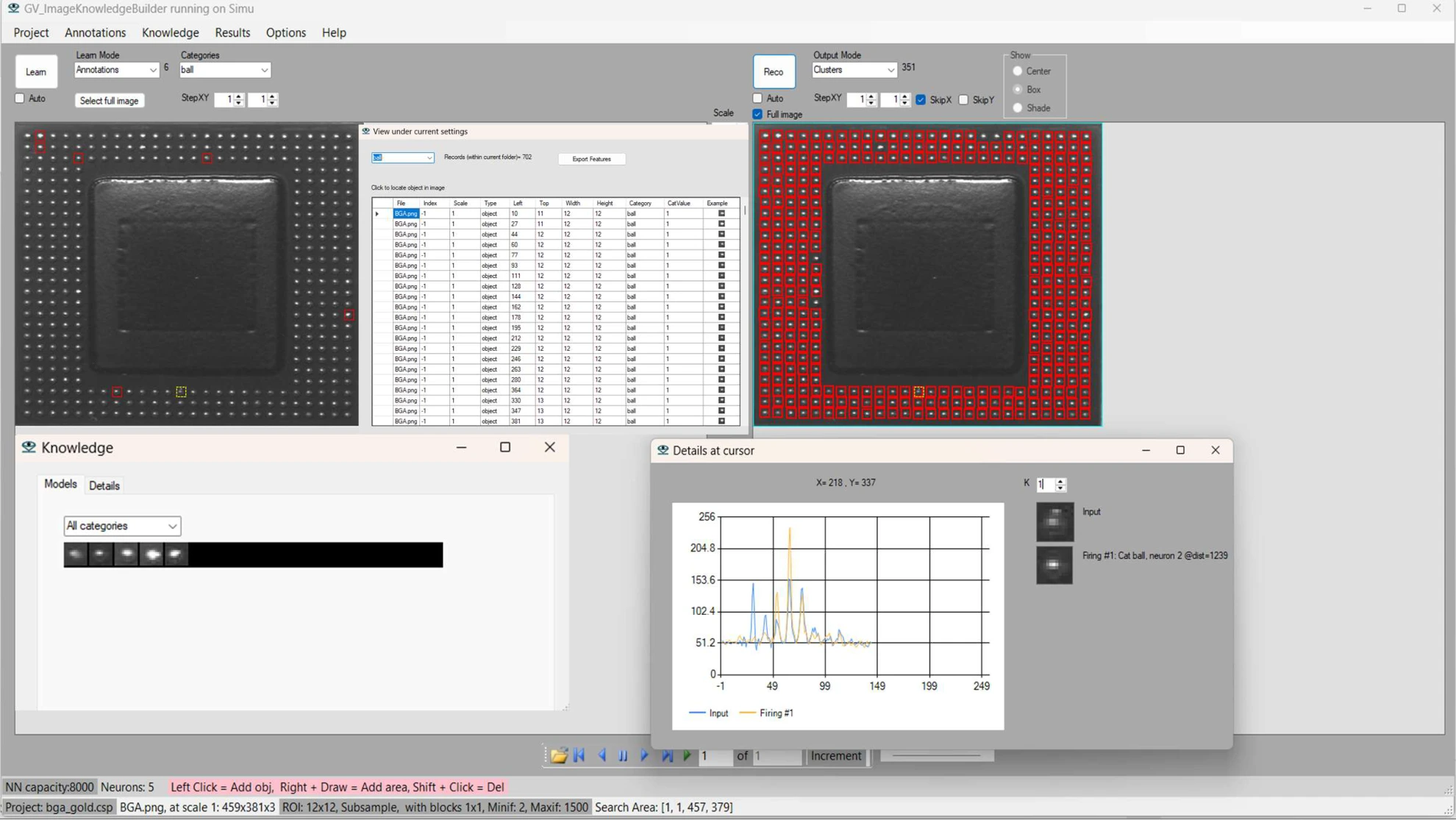
BGA inspection in IKB simulation. Five stored prototypes are visible alongside recognition results and the comparison with a firing neuron. View full size.
Inspectable knowledge
The examples stay visible.
Inspect the patterns stored in the neurons and their categories. Compare an input with a matching prototype and review its distance. When variability is limited, a small set of prototypes can represent the task.
Teaching, verification, correction and batch recognition stay within the same workflow. Add examples where recognition needs improvement, then test again.
From inspection to detection
Teach a different visual task.
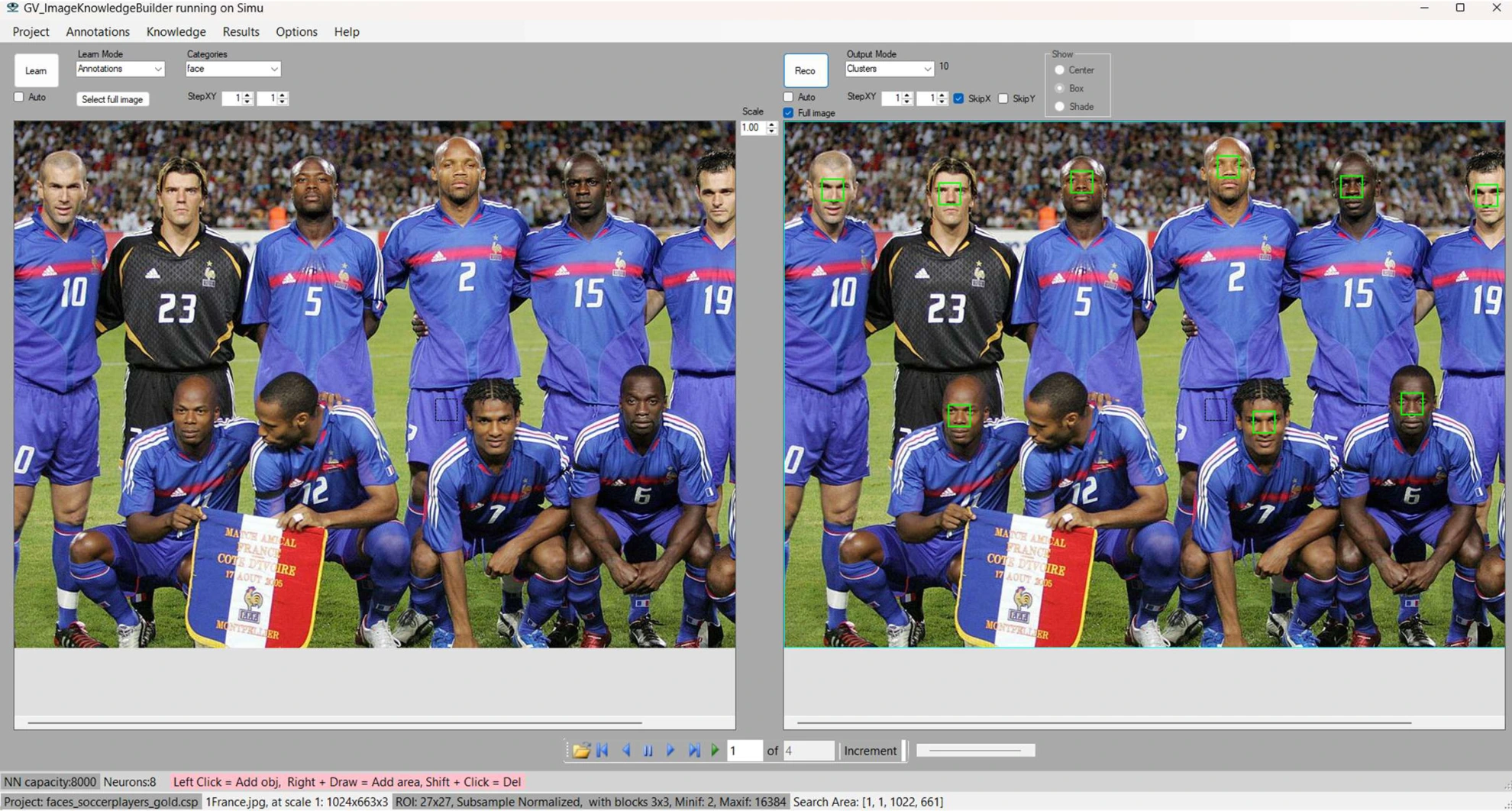
The face-detection example uses eight committed neurons. Recognition marks detected faces directly in the image, making the result easy to review.
Select examples and categories interactively, inspect recognition, and export recognized locations and labels for subsequent use.
Face detection in IKB simulation: source image at left, recognition at right. View full size.
Evaluate before choosing hardware
Run NeuroMem simulation to test your application and measure how many neurons its examples require.
Carry the knowledge with you
The same NeuroMem knowledge file works across simulation, NeuroShield, Brilliant USB and NeuroStack systems without adaptation, provided the target has enough neuron capacity.
Share an inspectable model
Save and distribute the knowledge file, including through a repository such as GitHub. Its stored prototypes and categories remain available for inspection.
Learning in the field · since 2005
Expertise from the people doing the work.
The first ZISC-based IKB served fishermen aboard working vessels, with an industrial PC and touchscreen. Crews taught accept, recycle and reject decisions for fish inspection. The later CM1K version was developed by Anne Menendez in 2009.
Guy Paillet recalls crews adding about ten herring images to accommodate seasonal appearance changes in winter 2005. Their four-chip ZISC78 systems provided 312 neurons, and crews did not exhaust that capacity.
Early deployment and seasonal adaptation: General Vision’s firsthand account. The related fish-inspection application was documented by Menendez & Paillet in AI Magazine, Spring 2008.
In development
From IKB to the next devices.
The M.2 BrainCard is being planned with IKB as a companion for interactive teaching, knowledge inspection and verification.
NeoCurie targets real-time learning and anomaly detection. The guiding idea is the same: learn acceptable examples locally, flag unfamiliar patterns and let the operator decide what should be learned next.
The NM5500 extends NeuroMem principles to 5,500 parallel neurons—built for deterministic recognition, local learning and compact edge systems.
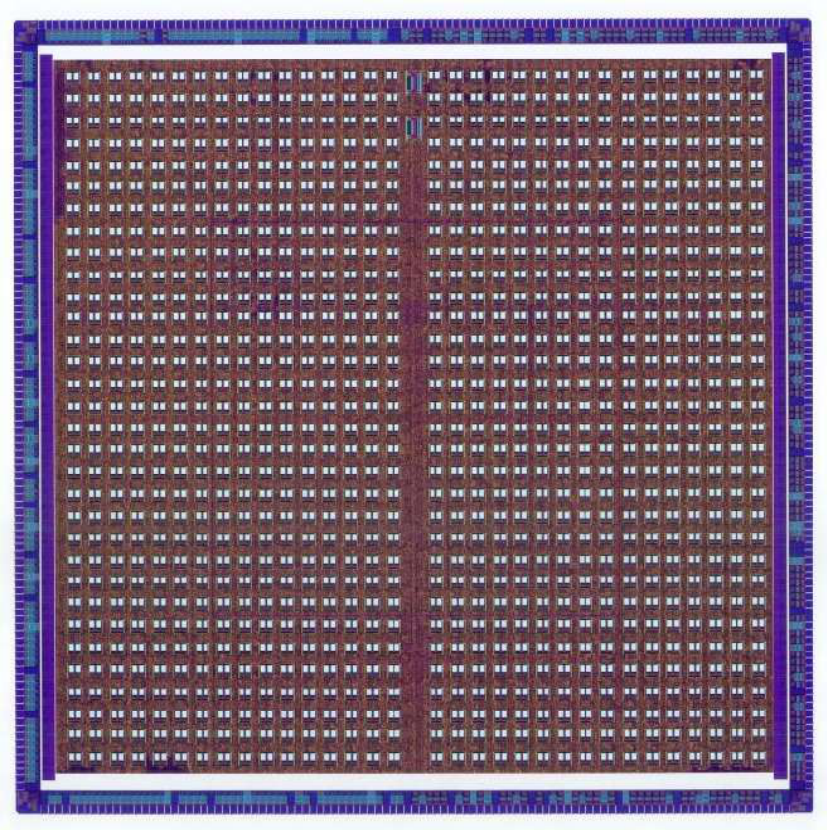
CM1K OKI die — the predecessor, shown here in the photograph supplied by General Vision.
From CM1K to NM5500
NM5500 Alfaplus—today’s powerful evolution of the CM1K OKI.
Building on the trainable, parallel recognition architecture behind the CM1K, the NM5500 carries these principles forward for sensor-side intelligence.
Available now as AX5500 in a compact BGA package, from Alfaplus or General Vision. Additional distributors coming soon.
 General Vision